
#1 Hot9.8
2023 · Drama




FilmeFarsi helps readers move from curiosity to a better watchlist with clear movie review verdicts, practical series review coverage, and Hollywood news that explains why each release matters.
04+
Live reviews
04
Curated genres
24/7
Signal drops
Feature signal
Studios spent a decade dismissing the $25–60 million original as unprofitable. In the first quarter of 2026, that bet is starting to reverse — and the ripple through greenlight rooms is already visible.
Trending reactions, movie review verdicts, series review picks, and Hollywood news updates stay connected in one readable stream.
Trending this week
A live ranking of the highest-rated movie review and series review picks moving through the grid, curated by editors and validated by audience signal.
2023 · Drama

2023 · Biography

2023 · Drama
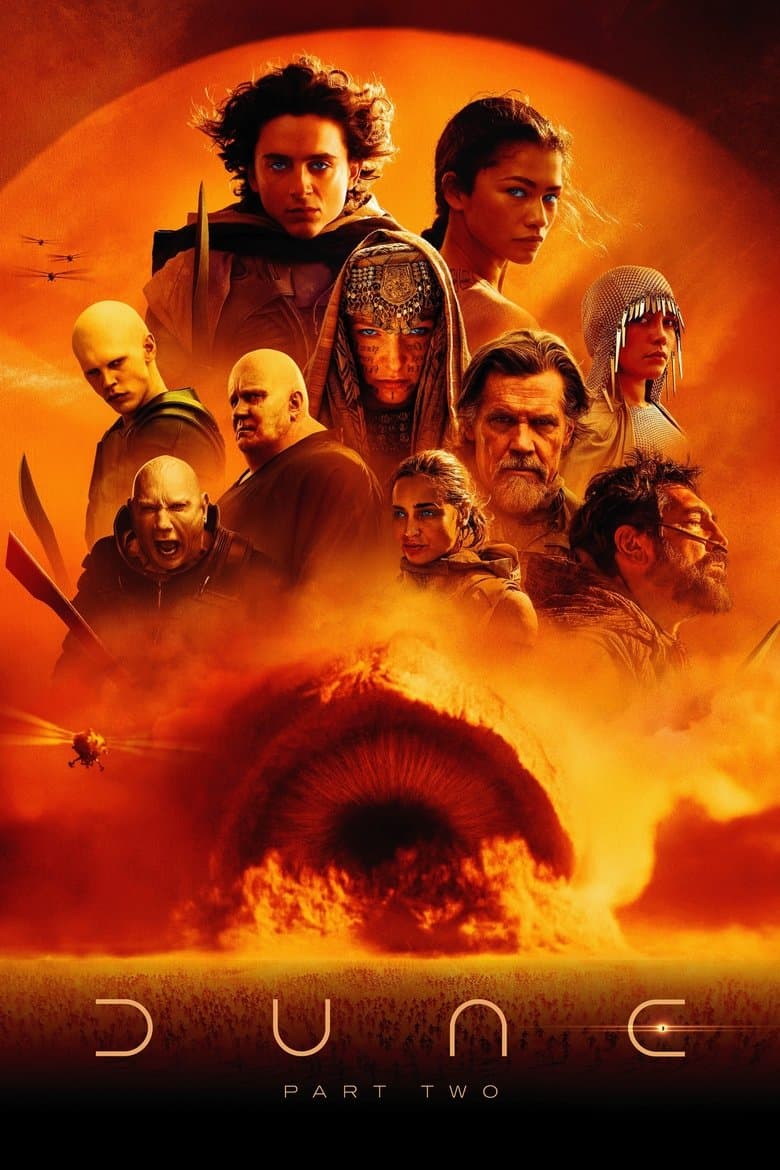
2024 · Science Fiction

2024 · Drama

2024 · Comedy

2023 · Kaiju

2023 · Drama
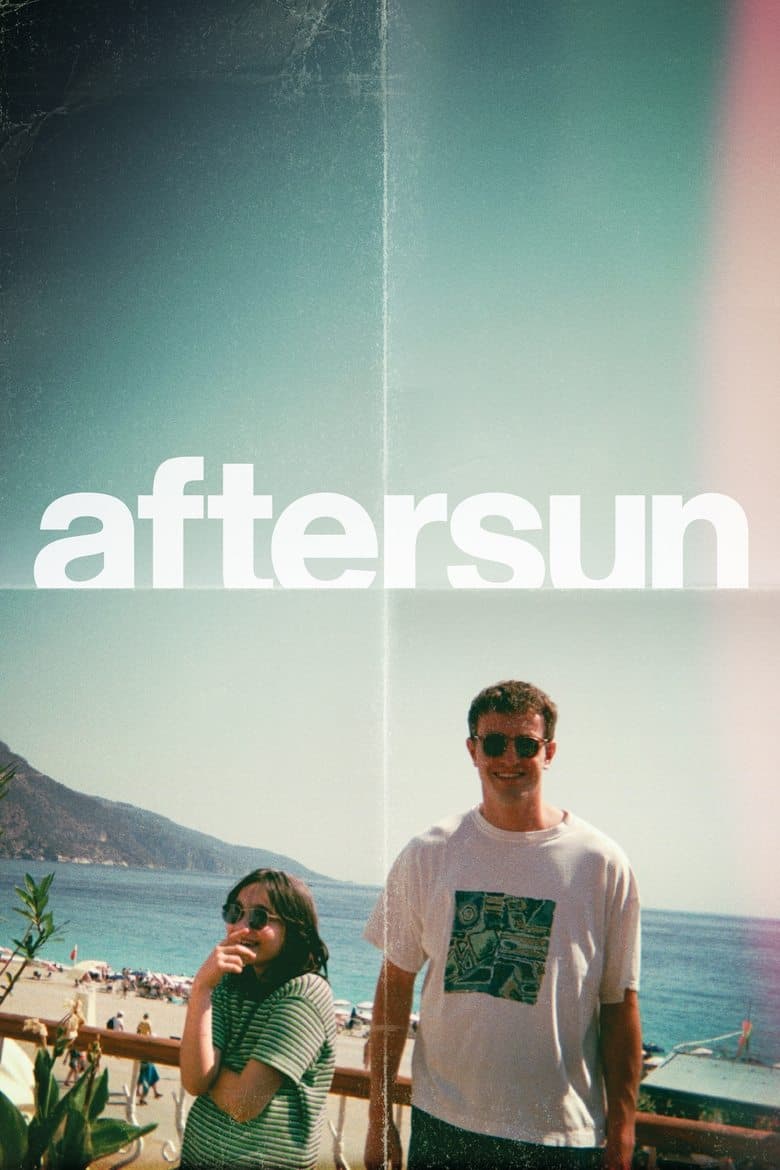
2022 · Drama
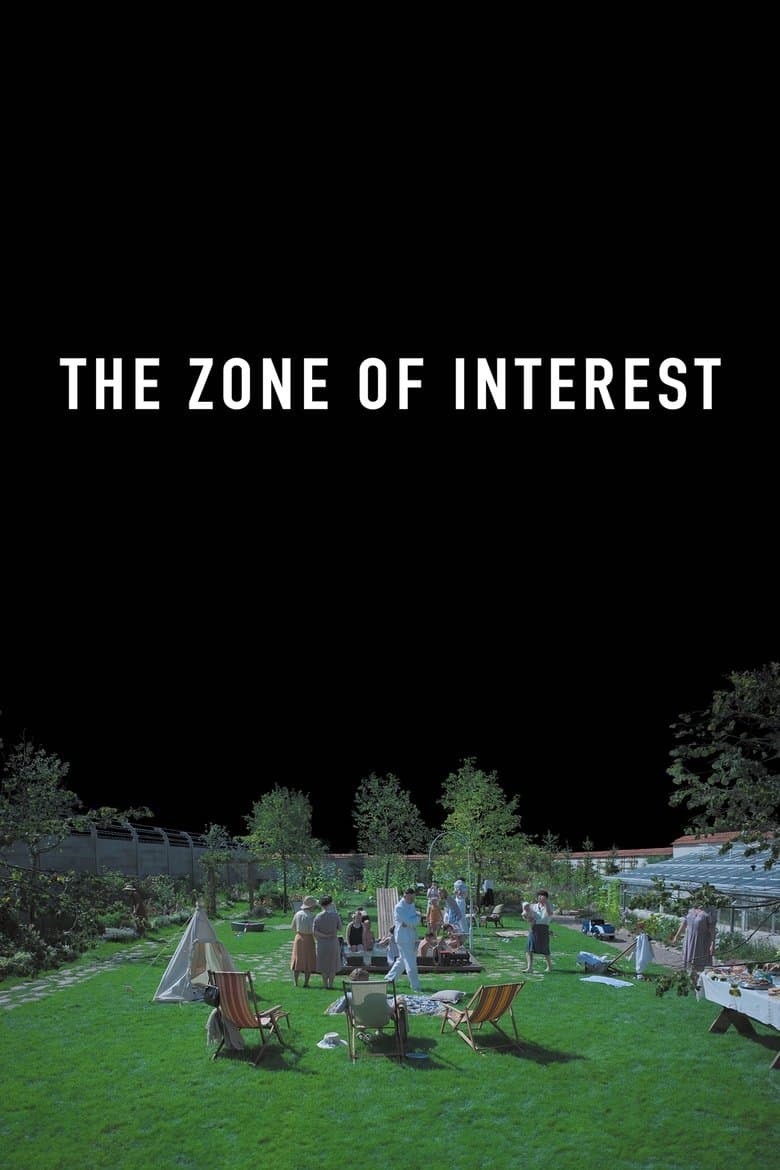
2023 · Drama
Decision hub
Fast entry points for viewers who arrive with different jobs: pick the safest bet, find something short, catch up on the latest story, or search by mood.
Highest confidence
A flawless landing for a flagship series. 'Connor's Wedding' is arguably the best hour of prestige TV ever produced, and the finale honors every choice the show has made.
Open pathShorter runtime
One of the most morally difficult shows of the decade. Jessica Gunning's Martha is a performance for the ages, and Gadd's willingness to indict himself is what makes the work land.
Open pathAudience signal
A flawless landing for a flagship series. 'Connor's Wedding' is arguably the best hour of prestige TV ever produced, and the finale honors every choice the show has made.
Open pathLatest editorial
Midweek holds, premium-format share, and the failure of two franchise extensions point to an audience that treats the theater as an event and streaming as the default.
Open pathPopular this week
Drama / 1h 0m
A flawless landing for a flagship series. 'Connor's Wedding' is arguably the best hour of prestige TV ever produced, and the finale honors every choice the show has made.
Biography / 3h 0m
The most ambitious studio film of the 2020s. Cillian Murphy is the anchor, but the film's real achievement is its refusal to let the audience decide whether to forgive its subject.
Drama / 0h 30m
A near-perfect season of television. Every character gets a showcase episode, the kitchen craft is shot with documentary credibility, and 'Fishes' and 'Forks' are instant all-time hours.
Science Fiction / 2h 46m
A rare sequel that out-scales, out-acts, and out-argues its predecessor. Dune: Part Two is the modern blockbuster at its most fully realized.
Review grid
Fresh verdicts, clear scores, and useful breakdowns for films, streaming releases, and TV series worth tracking.
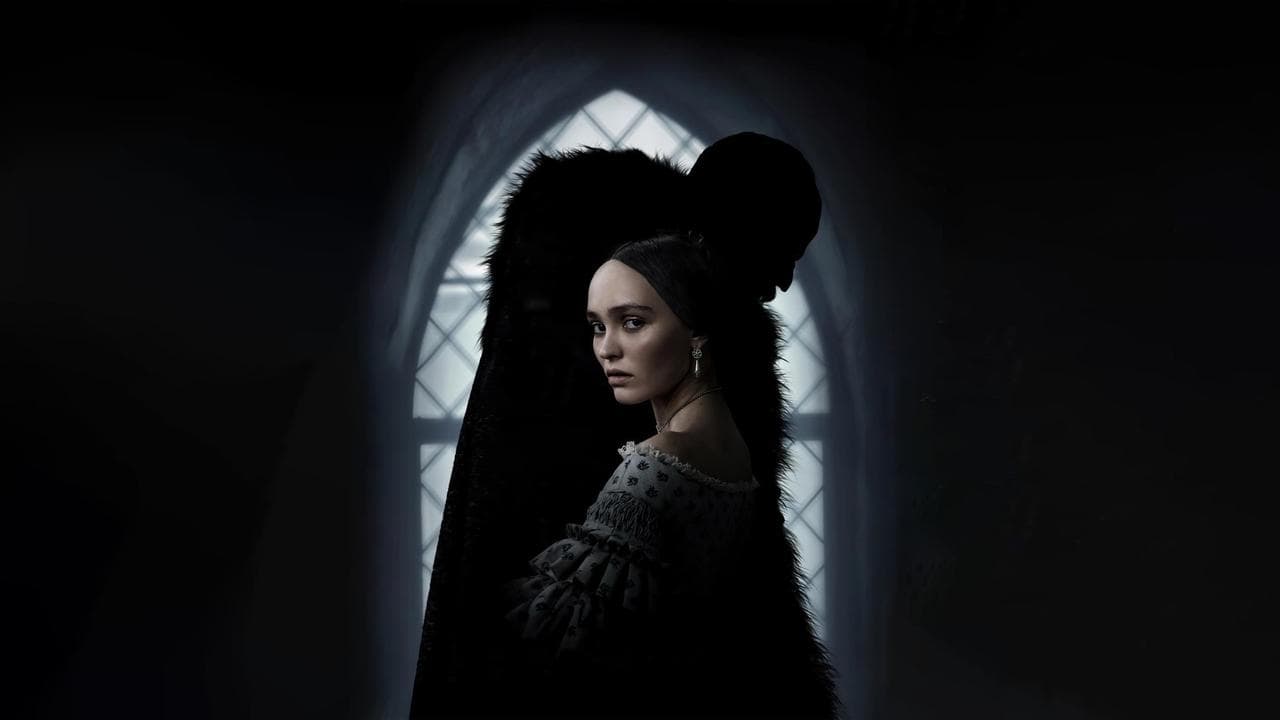
Robert Eggers's most commercially accessible film is also his most rigorously gothic — a Nosferatu that trusts atmosphere and period texture more than jump scares.

A 215-minute VistaVision epic shot for under $10 million, and one of the most formally ambitious American dramas in a generation.

Sean Baker's Palme d'Or winner collapses a screwball comedy, a home-invasion farce, and a quiet character study into one of the most propulsive films of the decade.

A merciless body-horror satire of Hollywood's age economy, carried by Demi Moore's most physically and emotionally exposed performance.
Momentum spike
Three larger signal cards for the titles dominating attention, watchlists, and late-night group chats across film and streaming.
Trend #1
The most visually committed horror film of 2024. Lily-Rose Depp is a revelation, Bill Skarsgård's Orlok is a genuine design achievement, and the film's third act earns its operatic register.
Trend #2
A swing-for-the-fences American epic. Adrien Brody delivers his best performance since The Pianist, and Corbet's formal ambition — VistaVision, overture, intermission — is fully justified by the material.
Trend #3
Mikey Madison's star-making performance anchors a film that earns every one of its tonal shifts. Baker's most complete work to date, and a deserving Best Picture winner.
Editorial briefing
A richer reading path for visitors who want more than a score: Hollywood news, industry updates, lists, and analysis around the titles they are already considering.

Studios spent a decade dismissing the $25–60 million original as unprofitable. In the first quarter of 2026, that bet is starting to reverse — and the ripple through greenlight rooms is already visible.

Midweek holds, premium-format share, and the failure of two franchise extensions point to an audience that treats the theater as an event and streaming as the default.

Two-part releases, patient first acts, and symphonic IMAX design turned Dune into a financial and critical benchmark. The attempts to replicate that structure are already reshaping which projects get made.
Reader loop
Move from Hollywood news headline to review to related titles without restarting the search. The site gives users a clearer path from curiosity to queue decision.
Curated channels
Jump directly into the moods, genres, and editorial lanes worth tracking right now.
8.9
critic signal locked
Expanded focus
The most visually committed horror film of 2024. Lily-Rose Depp is a revelation, Bill Skarsgård's Orlok is a genuine design achievement, and the film's third act earns its operatic register.
Craft
98%
Verdict
Must Watch
Runtime
2h 12m
What hits
Pressure points
Weekly dispatch
A practical roundup of new reviews, fresh release signals, and overlooked picks, built for readers who want fewer tabs and better queue decisions.
No noise. Just release context, review verdicts, and curated links when there is something worth opening.
Final call
Follow the hottest reviews, lock into editor-curated picks, and stay synced with a community built for streaming obsessives, franchise hunters, and midnight movie lifers.
Daily conversation around new releases, streaming sleepers, and what is actually worth your queue time.
Genre-first recommendations with clear movie review verdicts, series review notes, and fast-glance scoring.
Frequently asked
Updated