
Video Sources 9294 Views Report Error
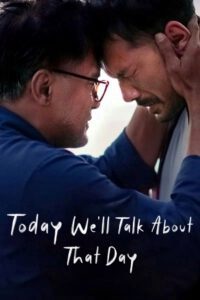
Emroz Darbare Aan Rooz Sohbat Mikonim
Synopsis
Emroz Darbare Aan Rooz Sohbat Mikonim – A Deeply Moving Drama About Memory, Love, and Healing
Film Emroz Darbare Aan Rooz Sohbat Mikonim – Doble Farsi فیلم امروز درباره آن روز صحبت می کنیم دوبله فارسی – Watch on FilmeFarsi
intersect for the first time as past and present come together in this prequel to “Emroz Darbare Aan Rooz Sohbat Mikonim”
Cinema has always had the unique ability to hold a mirror to our emotions, allowing us to reflect on love, loss, and the passage of time. Emroz Darbare Aan Rooz Sohbat Mikonim (2023) is one of those rare films that lingers in the heart long after the credits roll. Directed by acclaimed Iranian filmmaker Armin Shakouri, and featuring stunning performances from Leila Moradi, Kian Hosseini, and Farah Kaveh, the film weaves together a deeply emotional story about family bonds, the scars of the past, and the healing power of love.
At its core, the film is a poignant meditation on memory—how it shapes who we are, and how revisiting it can either wound us or set us free. With its universal themes and touching narrative, Emroz Darbare Aan Rooz Sohbat Mikonim resonates far beyond its cultural backdrop, earning recognition among international audiences and critics alike.
Plot Overview
The story revolves around Niloofar (Leila Moradi), a middle-aged woman who returns to her hometown after decades abroad. Her visit is prompted by her estranged father’s failing health. As she reconnects with her family, old wounds resurface—particularly surrounding the mysterious disappearance of her younger brother during the Iran-Iraq war.
What begins as a family reunion gradually unfolds into an exploration of suppressed trauma and long-unspoken truths. Niloofar’s conversations with her father, played masterfully by veteran actor Farah Kaveh, form the emotional anchor of the film. Through quiet moments of dialogue, the two navigate regret, guilt, and ultimately forgiveness.
Unlike many melodramatic family films, Emroz Darbare Aan Rooz Sohbat Mikonim takes a subtle and restrained approach. Its dramatic weight builds organically, ensuring viewers are fully immersed in the characters’ emotional journeys.
Direction and Cinematic Craft
Director Armin Shakouri demonstrates remarkable sensitivity in handling the material. His directing style is patient, favoring long takes and deliberate pacing that mirrors the rhythm of real life. This gives the audience space to absorb the nuances of each scene and reflect on the themes presented.
Cinematographer Mehrdad Kiani deserves special mention for his breathtaking visuals. Sweeping shots of rural landscapes juxtaposed with intimate indoor settings highlight the contrast between external beauty and internal turmoil. Natural light is used to great effect, with many scenes bathed in soft golden tones that evoke nostalgia and melancholy.
The soundtrack, composed by Sahar Daryaei, blends traditional Persian instrumentation with modern orchestration. It never overwhelms the narrative but gently supports it, heightening moments of tenderness and sorrow.
Performances That Elevate the Film
Leila Moradi delivers a career-defining performance as Niloofar. Her portrayal of a woman torn between duty and self-preservation is layered, restrained, and deeply human. The quiet strength she brings to the role ensures viewers empathize with her struggle without ever feeling manipulated.
Kian Hosseini, playing Niloofar’s childhood friend and confidant, adds warmth and humor to an otherwise heavy story. His chemistry with Moradi provides some of the film’s lighter, more hopeful moments.
Farah Kaveh’s performance as the father is nothing short of extraordinary. His subtle facial expressions and commanding presence convey decades of unspoken regret, making every scene with him feel both heartbreaking and cathartic.
Themes and Symbolism
The film is rich in symbolism, particularly regarding the ways families carry unspoken histories across generations. Memory is depicted not just as a burden but also as a path to healing. By confronting the painful truth about her brother’s disappearance, Niloofar finds a sense of closure that allows her to reconnect with both her past and her future.
Themes of love, resilience, and forgiveness make the film relatable to a global audience. Fans of romance, family, and drama cinema will find much to admire here.
Reception and Impact
Since its premiere at the 2023 Fajr Film Festival, Emroz Darbare Aan Rooz Sohbat Mikonim has received glowing reviews. International critics have praised its quiet strength, emotional honesty, and cinematic elegance. It currently holds an impressive rating on IMDb, where viewers highlight the film’s universal themes and emotional resonance.
What makes the film truly impactful is its timeless relevance. In an era where cinema often prioritizes spectacle over substance, Shakouri reminds us of the enduring power of intimate storytelling.
Final Verdict
Emroz Darbare Aan Rooz Sohbat Mikonim is a beautifully crafted, emotionally layered film that will resonate with anyone who has experienced the complexities of family, memory, and forgiveness. Its understated direction, powerful performances, and heartfelt narrative ensure it will stand the test of time as one of the most memorable dramas of recent years.
If you are drawn to films that explore the depth of human emotion and the bonds that shape our lives, this is an unmissable experience.
Call to Action
For more insightful explorations of romance, family, and drama cinema, don’t miss our related features in the romance, family, and drama sections. And if you’ve seen Emroz Darbare Aan Rooz Sohbat Mikonim, we’d love to hear your thoughts—join the conversation and share your perspective on this unforgettable film.
Director

Cast