
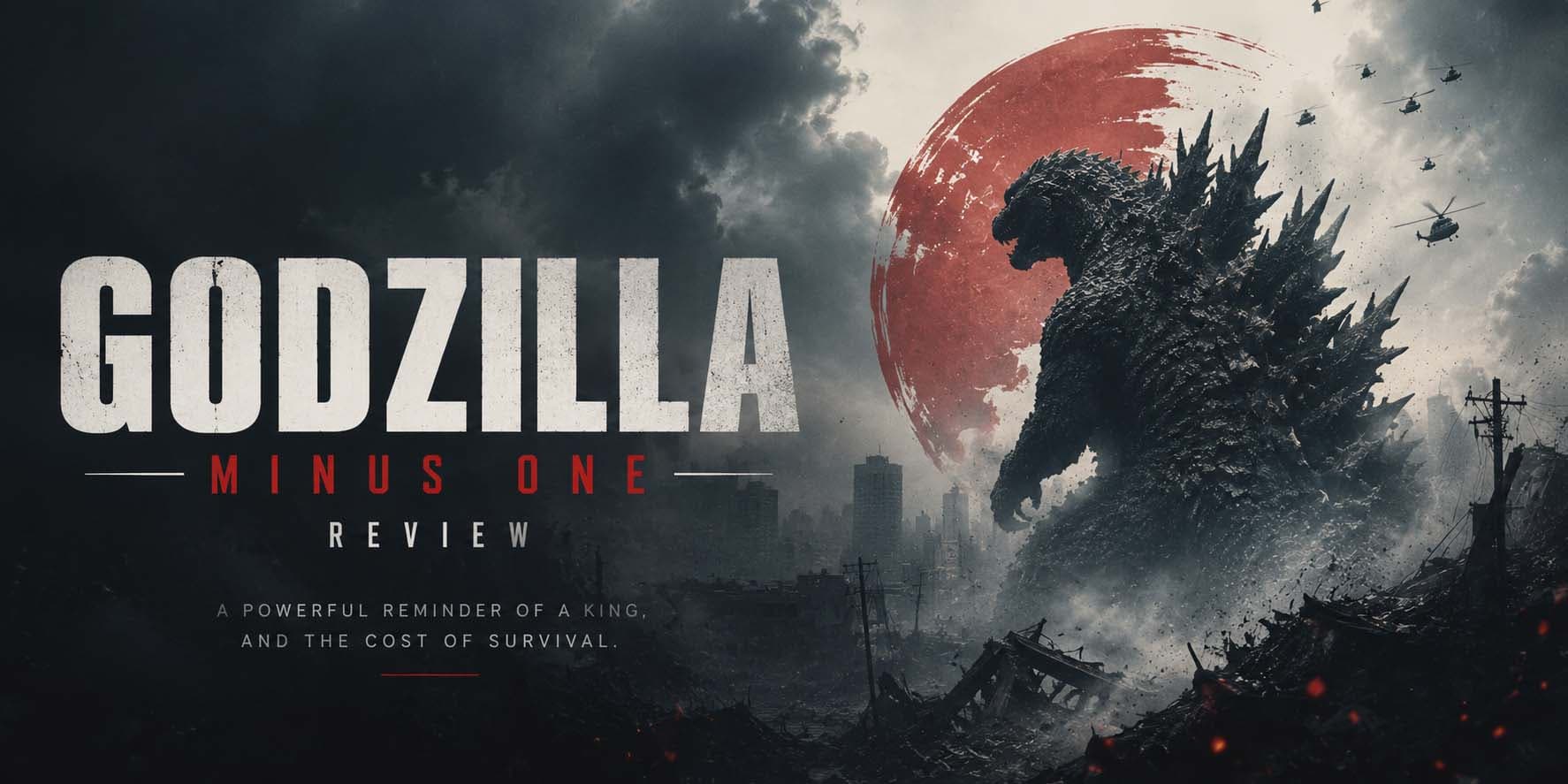
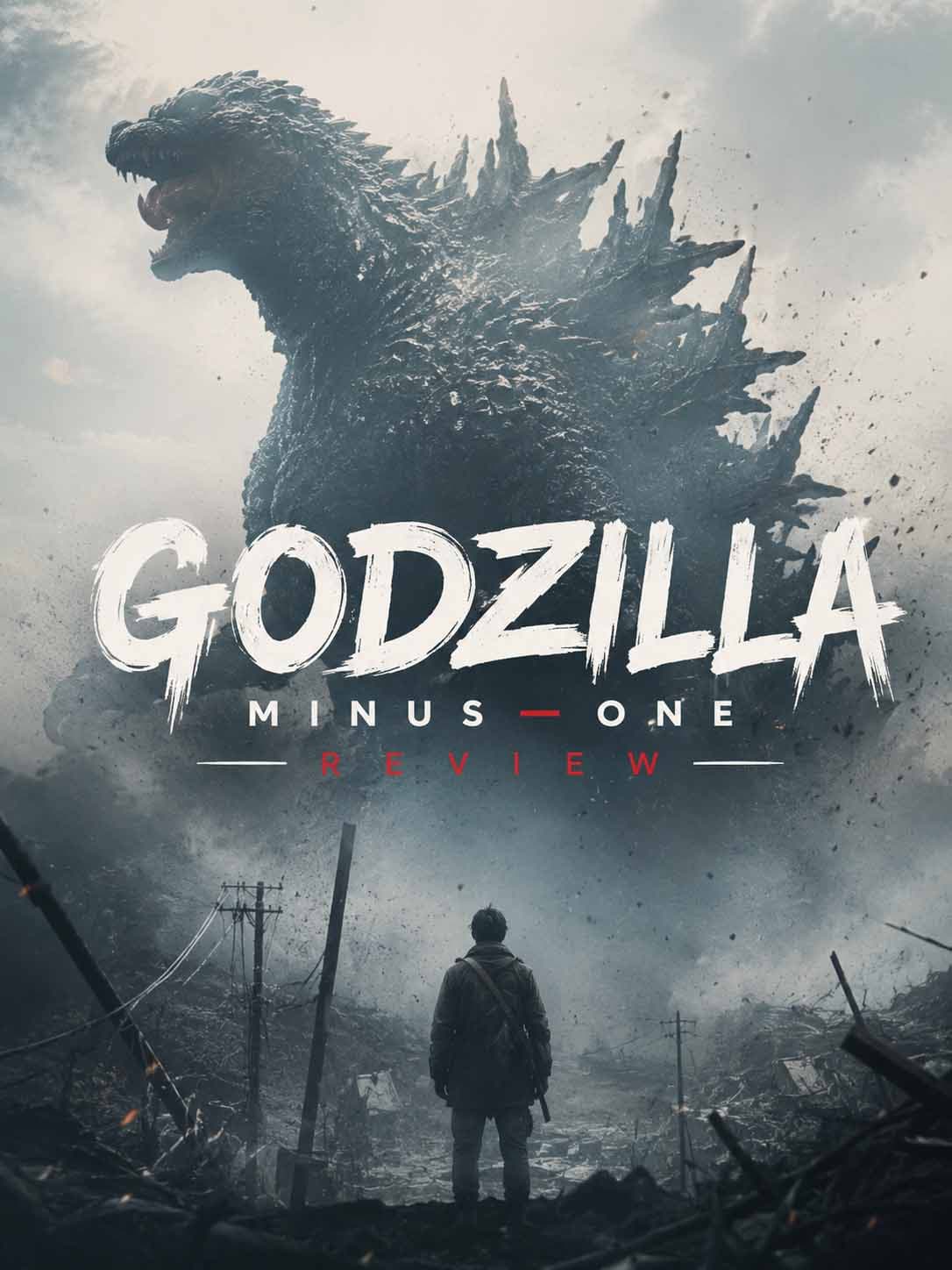
Godzilla Minus One Review & Analysis
A $15 million Japanese production outclasses half of Hollywood's $200 million tentpoles by remembering that kaiju movies are about people, not monsters.
Takashi Yamazaki
Nov 2, 2023
Quick Verdict
“The best Godzilla film since the 1954 original. A grief procedural, a war drama, and a kaiju thriller in one, built with more craft and conviction than its budget should allow.”
Plot Summary
In the ruins of post-war Japan, former kamikaze pilot Kōichi Shikishima is building a patched-together civilian life — and privately a grief he cannot name — when a new, vastly larger Godzilla surfaces. With the national government collapsed and American forces declining to intervene, a civilian coalition of veterans and engineers must devise a plan to kill the creature before Tokyo burns again.
Full Breakdown
A monster movie that is actually about survivor's guilt
Yamazaki understands that the 1954 Godzilla worked because it was a lament for a country still counting its dead. Minus One rebuilds that register with no irony. Kōichi is a man who failed to die as expected, and the film's central emotional question is whether survival is a gift or a debt.
The war-drama frame does what American blockbusters rarely attempt: it gives the monster a meaning. Godzilla here is not a climate metaphor or a franchise mascot. He is the reappearance of the trauma a nation tried to bury.
A $15 million VFX achievement that shames tentpole peers
Yamazaki, a VFX supervisor by background, built the effects in-house at Shirogumi with a small team. The result is not merely 'good for the budget' — it is, in several sequences, better than anything in contemporary Hollywood because the shots are designed rather than rendered.
The Ginza attack is a 20-minute crescendo of weight, shadow, and practical sound work. The ocean-chase set piece halfway through is the best sustained VFX-action sequence of 2023, full stop.
Performance and score keep the human scenes load-bearing
Ryunosuke Kamiki plays Kōichi's emotional paralysis without melodrama, and Minami Hamabe's Noriko anchors the film's domestic second act with a warmth that makes the monster stakes feel personal.
Naoki Satō's score quotes Akira Ifukube's classic themes only at the exact right moments, turning nostalgia into emotional leverage rather than decoration.
Pros and cons
Pros: A grief story that earns its monster; VFX that reset the budget-to-quality ratio; a finale that honors both the 1954 film and its own characters.
Cons: Some Anglophone viewers will find the post-war context dense without context; the domestic scenes move more slowly than most kaiju fans expect; the English dub is serviceable but underperforms the subtitled version.
What Hits
- Exceptional execution of kaiju, drama, war tropes
- Stunning cinematography and production design that demands a large screen
- A compelling lead performance that anchors the entire narrative
Pressure Points
- A few minor subplots feel slightly underdeveloped
- May feel overly familiar to long-time fans of the genre
95
Primary Cast
Featured Actors
Production Specs
Technical Details
Join the discussion
Most viewed today

Features · 6 min
The Brutalist Is a Three-and-a-Half-Hour Dare — And It Earns Every Single Minute
News · 7 min
The mid-budget theatrical film is quietly winning 2026

News · 3 min
Christopher Nolan Taps Matt Damon and Zendaya for His Most Secretive Project Yet
News · 6 min